Play-based therapies use play as a tool to support emotional, social, cognitive, and educational processes.
Playing doesn’t mean “stopping work”. It means learning from experience.
Through play, people can explore emotions, practice skills, face challenges, and discover new ways of relating to themselves and others in a safe, flexible, and meaningful environment.
The game facilitates processes that are often difficult to work on solely through conversation:
emotional expression
communication and social skills
frustration tolerance
decision making
attention and executive functions
self-esteem and sense of competence
creativity and flexibility
At La Palma Psychology we use different approaches and playful tools adapted to each person and life stage, integrating play within a coherent, respectful and personalized therapeutic and educational support.
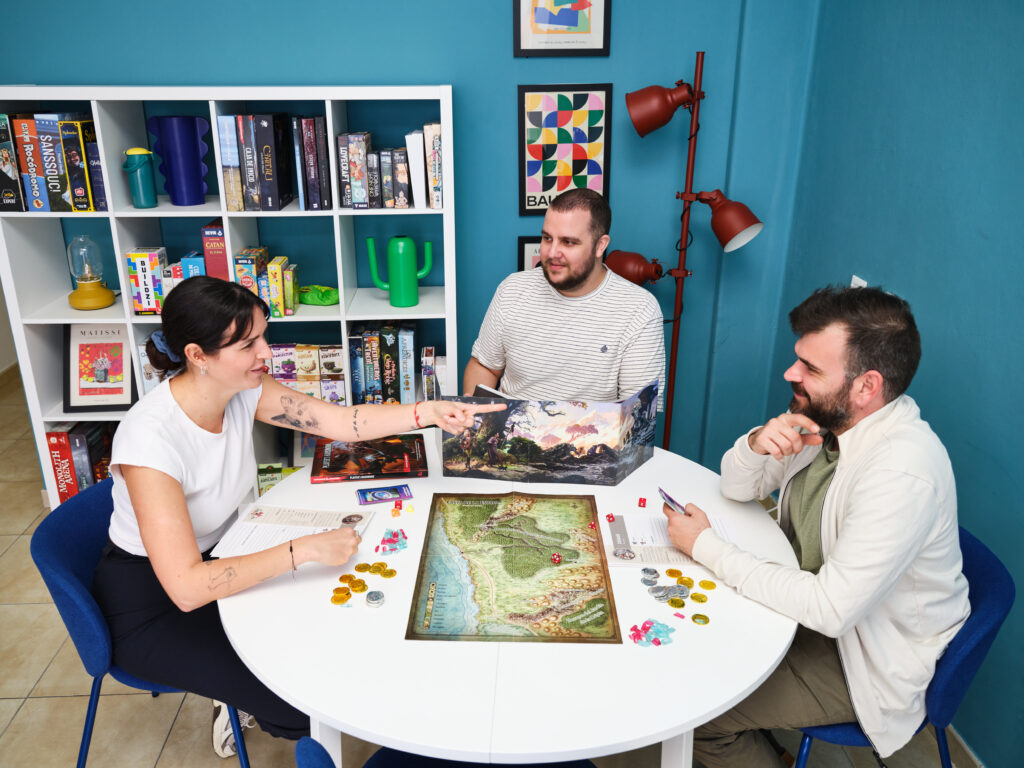
Role-playing games
Stories to discover who I am
Role-playing games are shared stories where each participant plays a character and makes decisions within a fictional world.
It’s not about acting, but about experiencing. By observing what I do, what I feel, and how I relate when life becomes an adventure.
Through role-playing, the following are addressed:
identity
decision making
social skills
emotional management
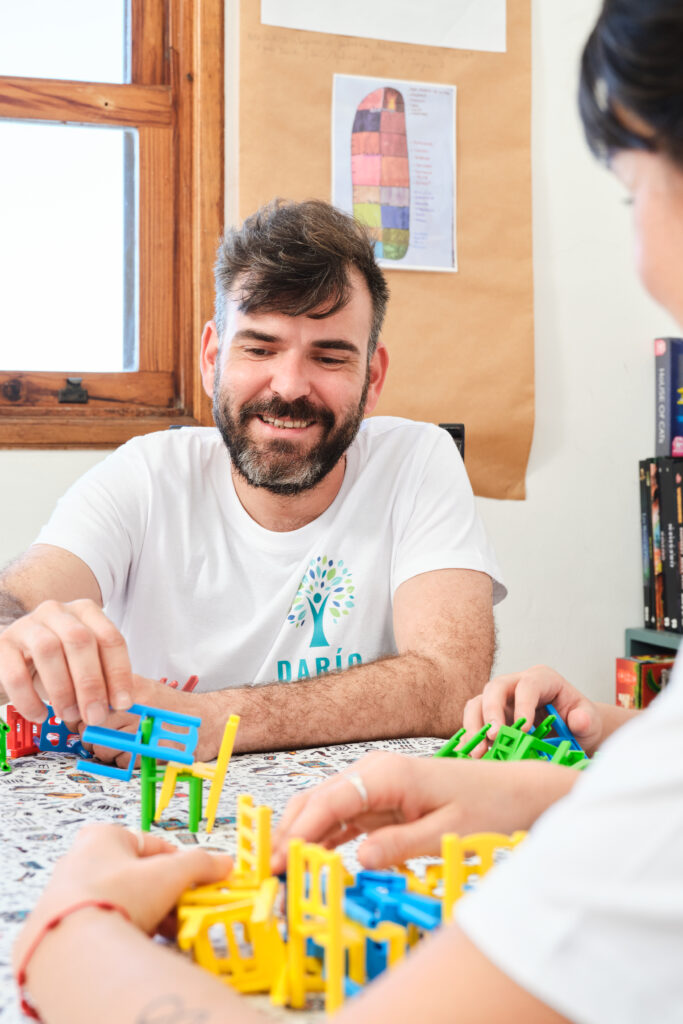
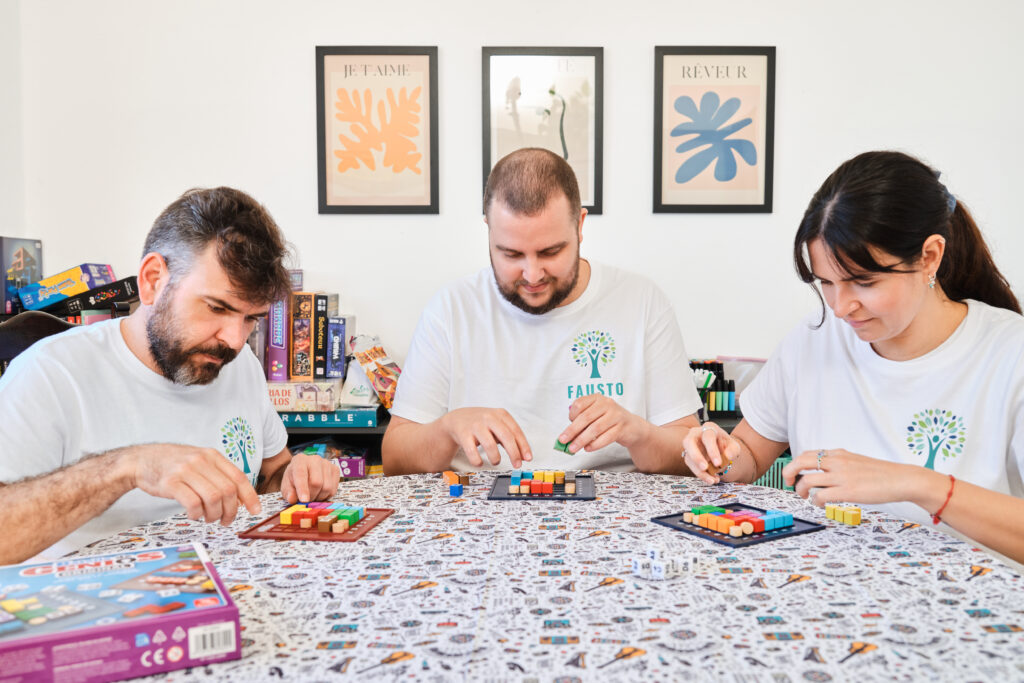
Therapeutic board games
Thinking, cooperating and learning through play
We use and adapt board games to work on cognitive and emotional skills in a natural way.
Each game becomes an opportunity to train:
attention and concentration
planning and flexibility
frustration tolerance
cooperation and social norms
Play facilitates learning because it turns it into experience.
Cognitive stimulation
Develop skills to understand, learn and maintain autonomy
to support development, learning and well-being at different stages of life.
We adapt each proposal to the person, respecting their pace, their abilities and their way of learning, whether in childhood, adolescence or in older people.
Each session becomes an opportunity to train:
attention and concentration
memory and instruction tracking
planning and organization
cognitive flexibilityflexibilidad cognitiva
comprensión del entorno y resolución de situaciones